Economic development funding is designed to support outcomes governments want to see: job creation, business expansion, workforce development, domestic manufacturing, infrastructure investment, and community revitalization. The challenge is not simply finding a program but understanding how multiple programs, agencies, jurisdictions, and timelines can work together around one project.
That fragmentation is where companies often lose value. A site may qualify for state incentives, local tax relief, workforce funding, federal grants, infrastructure support, or permitting assistance, but those opportunities rarely arrive through one door. Shepherd helps companies evaluate the government landscape before locking in major decisions.
The Made in America Office reflects the continuing focus on domestic production. Federal Buy American rules currently apply a 65 percent domestic-content threshold to many manufactured end products delivered from 2024 through 2028, while reshoring and foreign investment continue to bring jobs into U.S. communities.
Public funding is substantial. The U.S. Government Accountability Office reported $1.2 trillion in federal grant obligations to tribal, state, local, and territorial governments in fiscal year 2024. The U.S. Economic Development Administration reports $423.8 million awarded across 312 grants in 2025, supporting 9,873 jobs.
At the same time, the Reshoring Initiative reported 244,000 U.S. manufacturing jobs announced through reshoring and foreign direct investment in 2024, bringing the cumulative total since 2010 to more than 2 million. Government incentives were the most frequently cited factor in reshoring and FDI decisions in its 2024 data.
For companies considering expansion, relocation, or new manufacturing capacity, economic development can shape where a project goes, how much private capital it requires, and how quickly it reaches operation.
Where a company expands can determine which incentives, workforce programs, infrastructure resources, and tax advantages become available. We develop targeted RFPs for prospective state and local hosts, evaluate competing proposals, and help companies compare locations based on the complete economic development opportunity, not real estate costs alone.
Read More

Job creation, workforce investment, and capital projects can qualify for support from multiple levels of government. Shepherd works across local, state, and federal programs to negotiate incentive packages that may include job-creation benefits, workforce support, infrastructure assistance, tax abatements, and other project-specific resources.
Read More

We help identify applicable grants and tax credits, coordinate application strategy, prepare submissions, and support the documentation and execution required to turn an available program into usable funding.
Read More

Shepherd helps combine grants, tax credits, low-interest financing, workforce programs, tax increment financing, infrastructure support, and other forms of public capital into a coordinated funding strategy. The firm's white paper specifically identifies this ability to layer state, local, and federal subsidies as an important part of economic development planning.
Read MoreShepherd creates and releases a targeted RFP to potential state and local site hosts, establishing competition around the project and its economic impact.

We receive responses, negotiate next steps, evaluate incentive structures, and narrow the field to the strongest potential site hosts.
The site selection is finalized, final offers are negotiated, and the appropriate local, state, and federal stakeholders are engaged around the project.
The company accepts its offer, completes documentation, coordinates permitting and approvals, plans stakeholder engagement around the launch, and pursues additional programs to complete the funding package.
Shepherd’s economic development work has supported expansion projects extending well beyond a single grant. In one Minnesota manufacturing expansion, negotiations helped secure $2.8 million in state incentives supporting a $24 million investment and a 500,000-square-foot facility. In Arizona, Shepherd supported a specialized quantum technology facility that created dozens of local jobs while securing incentives across multiple levels of government.
Our leadership brings experience connecting public policy with business investment, including prior work that helped create more than 1,500 jobs nationwide and secure more than $1 billion in combined federal, state, and local funding.
Economic development funding can support more than a single expansion incentive. Shepherd Strategies helps companies build funding and government engagement strategies around four core areas: job creation, education and workforce training, public-private partnerships, and capital expenditures. We help connect these priorities with the programs, incentives, and stakeholders that can move a project forward.
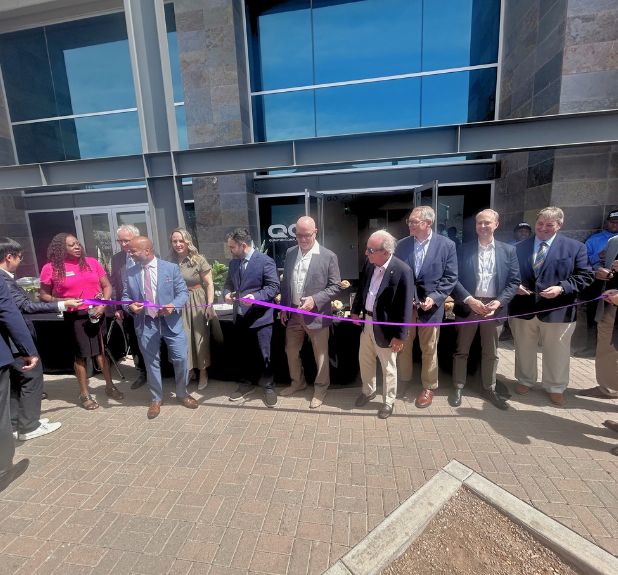
An advanced quantum technology company selected Arizona for a specialized manufacturing facility, creating local jobs and securing support from federal, state, and local government.
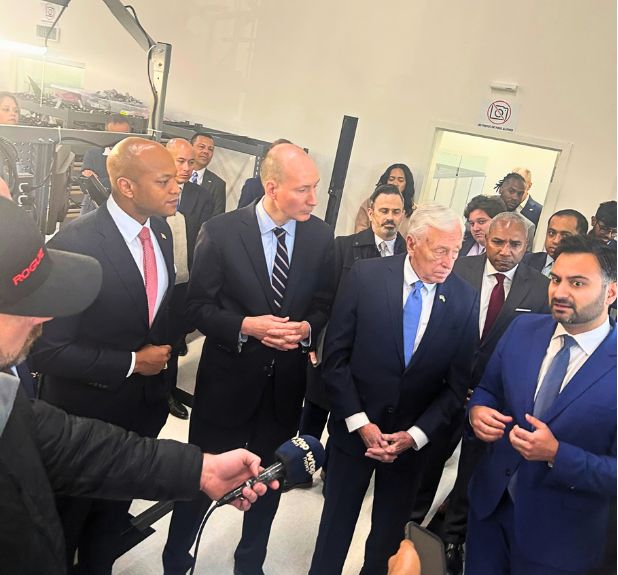
An EV infrastructure company expanded its U.S. footprint with a new global headquarters and 30,000-square-foot manufacturing facility in Maryland, increasing annual production capacity to more than 30,000 chargers.
In another engagement, Shepherd supported a fast-growing medical spa sector facing state-level policy and regulatory pressure. The work focused on educating decision-makers about new technologies and protecting continued access to established treatments, helping preserve the operating environment for providers and local jobs.

© 2026 Shepherd Strategies LLC.
All Rights Reserved.